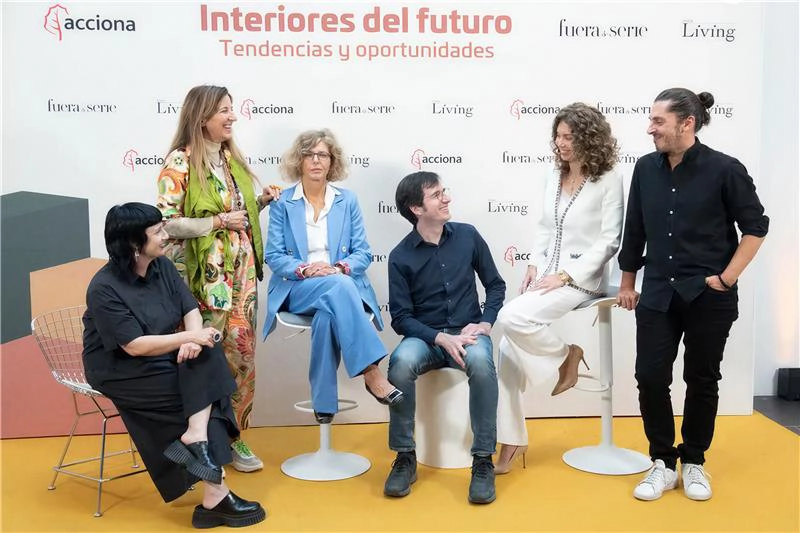
Fuera de Serie, the lifestyle and luxury magazine of the newspaper Expansión, and Telva Living, the publication specialising in interior design and trends of the Telva group, held the round table "Interiors of the Future: Trends and Opportunities" at Espacio Absoluto, Madrid. The event brought together some of the most influential voices in contemporary design and examined how the spaces we inhabit are evolving, placing well-being, sustainability and new ways of living at the centre of the discussion.
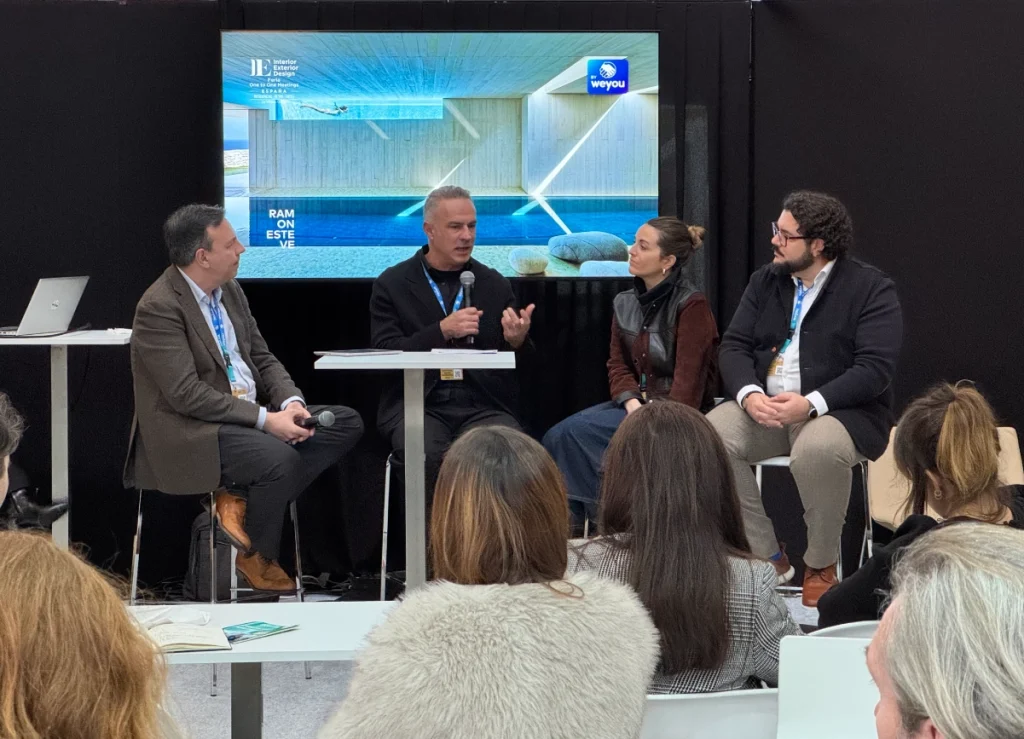
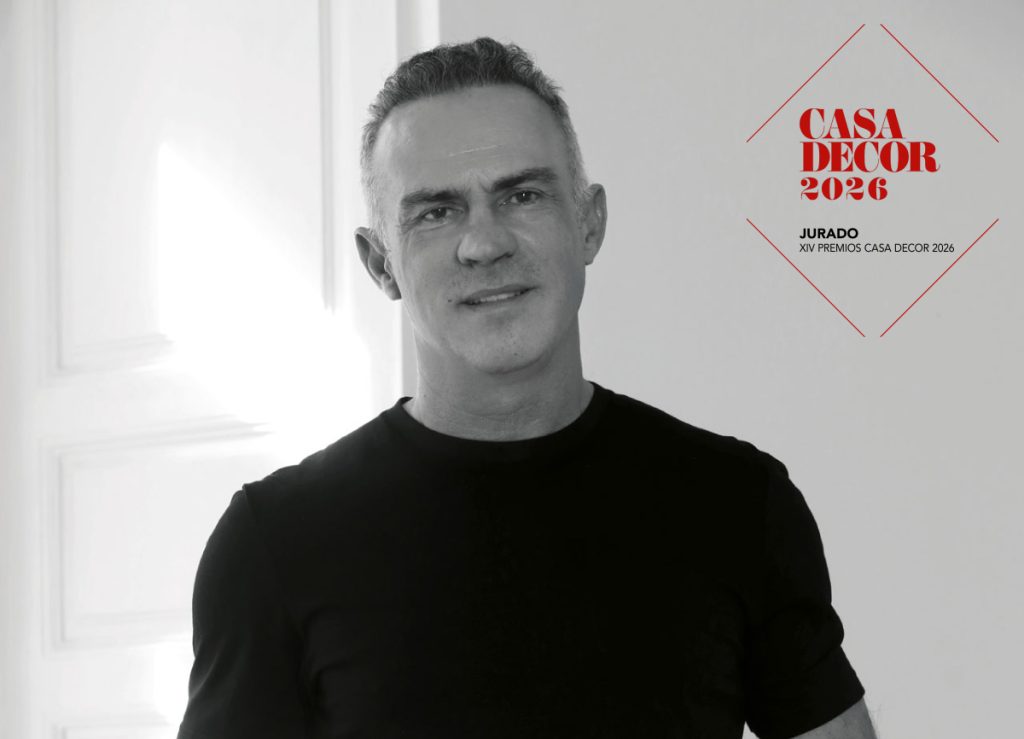
The panel featured Juan Ferrero, CEO and partner at Ramón Esteve Estudio, along with by a group of professionals who contributed complementary perspectives on the future of interior design. The conversation was moderated by Ana Ramírez, journalist at Fuera de Serie and coordinator of Telva Living, and included the participation of Benedetta Tagliabue, head of Estudio Miralles Tagliabue; Teresa Sapey, director of Teresa Sapey + Partners; Teresa Joven, Manager of Architecture and Projects at Acciona; and Manuel Iglesias Vázquez, head of design programmes at Mindway and Universidad Camilo José Cela.
The diversity of the panel generated enriching conversations on the challenges and opportunities that will shape interior design in the coming years. Throughout the session, key themes emerged such as the transformation of domestic and workspaces, the importance of energy efficiency, the growing role of technology, and the revival of craftsmanship as an essential value in an increasingly automated world.
During his speech, Juan Ferrero stressed the value of work well done from the immediate level, defending the idea that great changes begin at the closest scale. His vision, focused on continuous improvement and commitment to the environment, provided a thoughtful counterpoint in a debate marked by its forward-looking ambition. He also highlighted the need to integrate tools such as artificial intelligence or virtual reality without losing the sensitivity of the craft, reminding the audience that technology does not replace the human eye but amplifies it when used judiciously.
The conversation led into a broader reflection on how craftsmanship, sustainability and the customisation of spaces are regaining prominence in contemporary practice. Figures such as Tagliabue and Sapey underlined the relevance of manual work and imperfection as manifestations of authenticity, while Teresa Joven contributed the perspective of projects that integrate innovation, efficiency and well-being into their architectural approach. For his part, Manuel Iglesias stressed the need to communicate the true nature of interior design and the rigour required in its training.
The debate concluded with a shared vision: the interiors of the future will be more human spaces, with a defined identity and capable of responding to ways of life in constant transformation.