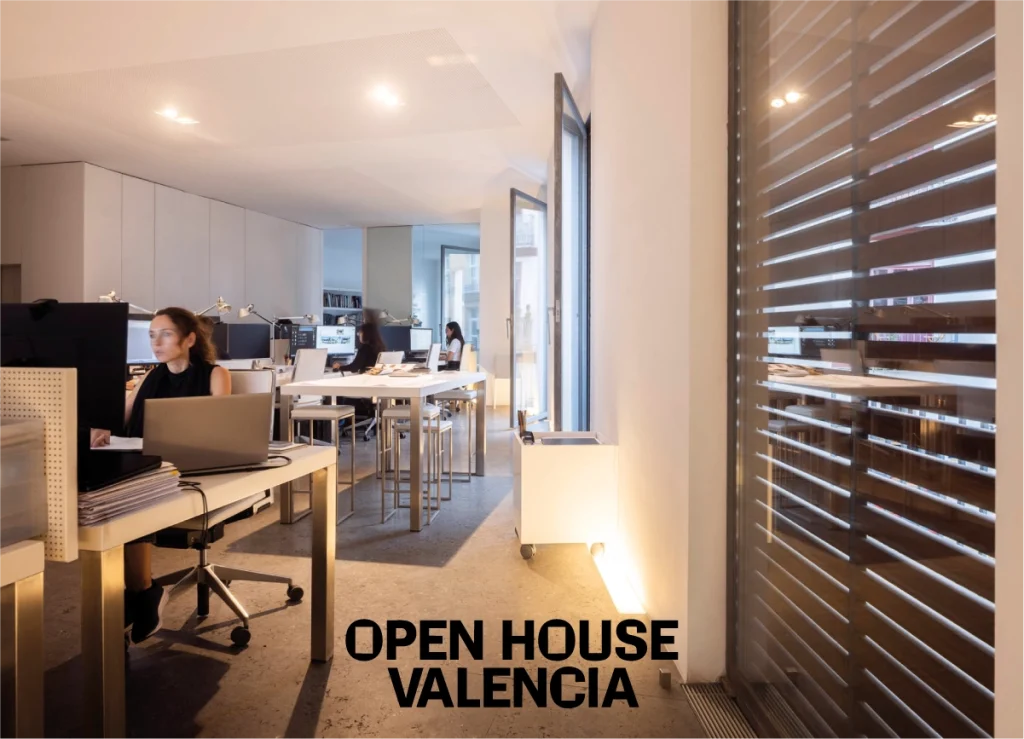
The fifth volume in the OHV Architecture Collection documents how Ramón Esteve Estudio restored the former San Juan Baptist Orphanage and transformed it into the new campus of Universidad Europea de Valencia, the official venue for Open House Valencia 2026.
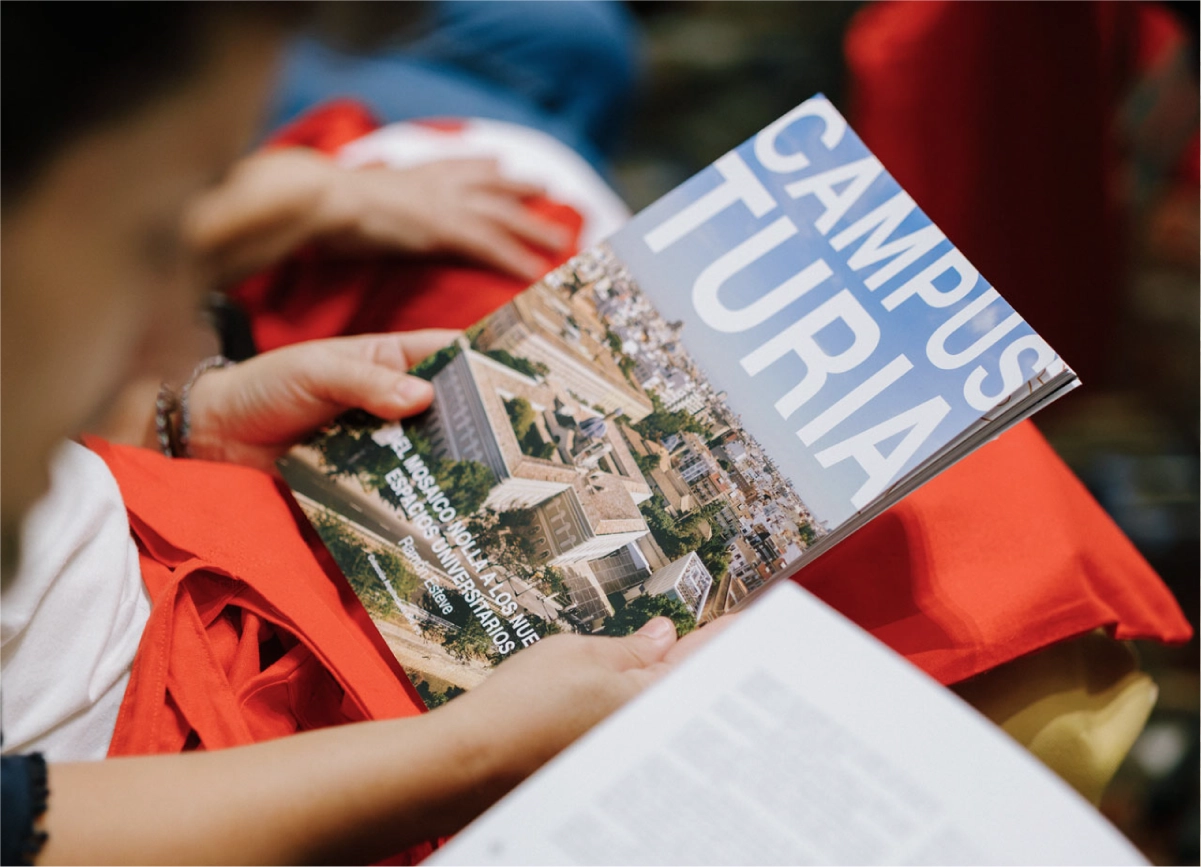
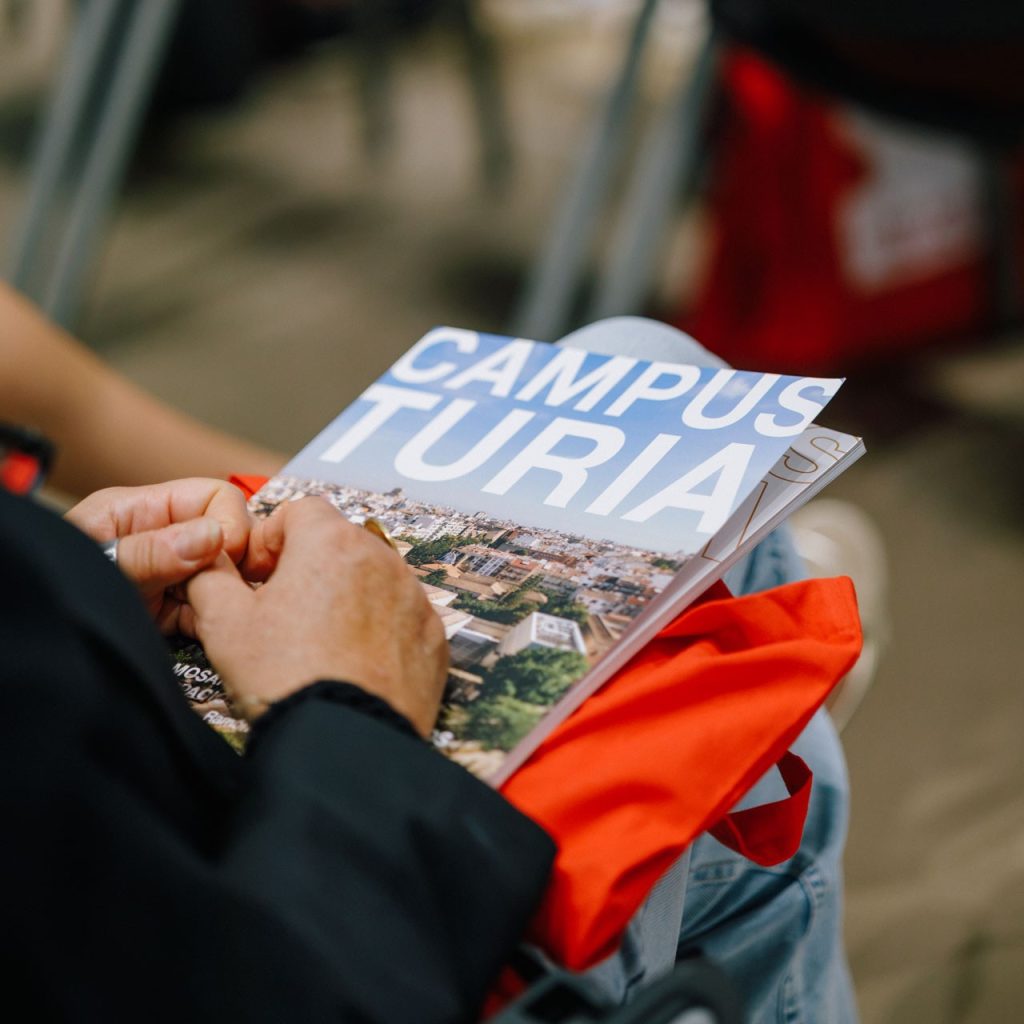
Open House Valencia presented Campus Turia. Del mosaico Nolla a los nuevos espacios universitarios on Tuesday, 3 November, at Universidad Europea de Valencia. Written by architect Ramón Esteve, the book is the fifth volume in the OHV Architecture Collection and explores the restoration of the former San Juan Baptist Orphanage and its transformation into a contemporary university campus.
The publication takes readers through the architectural process behind the project, examining how the historic complex has been adapted to meet the needs of university life while retaining its original character. It also offers insight into Ramón Esteve's approach to working with historic architecture, where the building's past informs its new purpose.
For Ramón Esteve, who led the project and authored the book, understanding the existing architecture was essential to shaping its future. “Working with a historic building means first understanding its architecture, discovering its values and recognising which elements must be preserved. From there, the challenge is to introduce a new way of inhabiting the space without losing its identity. This book documents that process of transformation and shows how the memory of a place can become the starting point for contemporary architecture,” the architect explained.
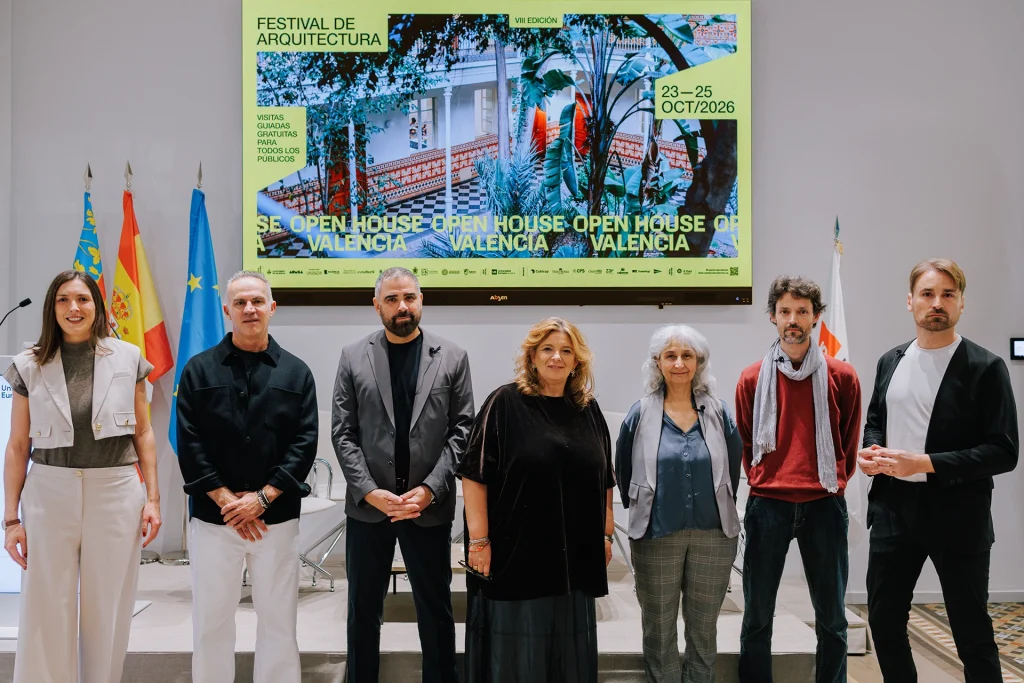
The launch opened with a welcome address by Rosa Sanchidrián, Rector of Universidad Europea de Valencia. Curated by Sandra Pérez, the book was developed with the involvement of the university and companies including AUMSA, Tejas Borja, KALAM and ZAR Obras y Servicios, whose representatives also attended the event.
A round-table discussion followed, moderated by Sara Portela, Director of Open House Valencia. Joining Ramón Esteve were Daniel Villanueva, Director of Expansion at Universidad Europea; Paloma Berrocal, archaeologist; Ángela López and Xavier Laumain, architects at ARAE Patrimonio y Restauración; and Alfonso Calza, architectural photographer. All contributed articles to the publication, bringing different perspectives to the discussion, from architectural design to the conservation and restoration of the building's historic features.
A New Chapter for a Historic Building
Ramón Esteve Estudio's approach centres on preserving the character of the original building while introducing the spaces and facilities needed for a modern university campus.
The complex has been reorganised around its new academic function. Communal areas occupy the central section, while classrooms and offices are located in the two wings. The classrooms overlook both the surrounding gardens and the interior cloisters, which serve not only as circulation routes but also as spaces for students to meet and interact.
The project also includes a new annex, designed to complement the historic building through its materials, colours and architectural composition. Together, the restored complex and the contemporary addition create a university campus that brings new life to the site while respecting its architectural history.
The book forms part of the OHV Architecture Collection, an initiative by Open House Valencia to document significant architectural projects in the city and make them accessible to a wider audience.
As Sara Portela, Director of the festival, explained, “with this collection, we aim to go beyond the visits and activities of the festival, creating a space for reflection and knowledge about our city's architecture. Each edition allows us to document distinctive projects, bring them closer to the public and highlight the work of the professionals who contribute to shaping and preserving our heritage. This fifth volume also invites us to discover how architecture can give historic buildings a new life, adapting them to contemporary needs without compromising their identity.”
The book Campus Turia. Del mosaico Nolla a los nuevos espacios universitarios is available to purchase through the Open House Valencia website.
The Former San Juan Baptist Orphanage: More Than 150 Years of History
Inaugurated on 7 May 1873, the former San Juan Baptist Orphanage was established as a charitable institution providing shelter and education for orphaned children and those from disadvantaged backgrounds.
Founded by the Fundación Asilo San Juan Bautista, the institution accommodated up to one hundred children and remained in operation for more than a century. In the late 1990s, it moved to another location, leaving behind a building of considerable architectural and historical significance.
More than 150 years after it first opened, the building has returned to its educational roots, this time as a university campus, following its restoration and adaptation by Ramón Esteve Estudio.