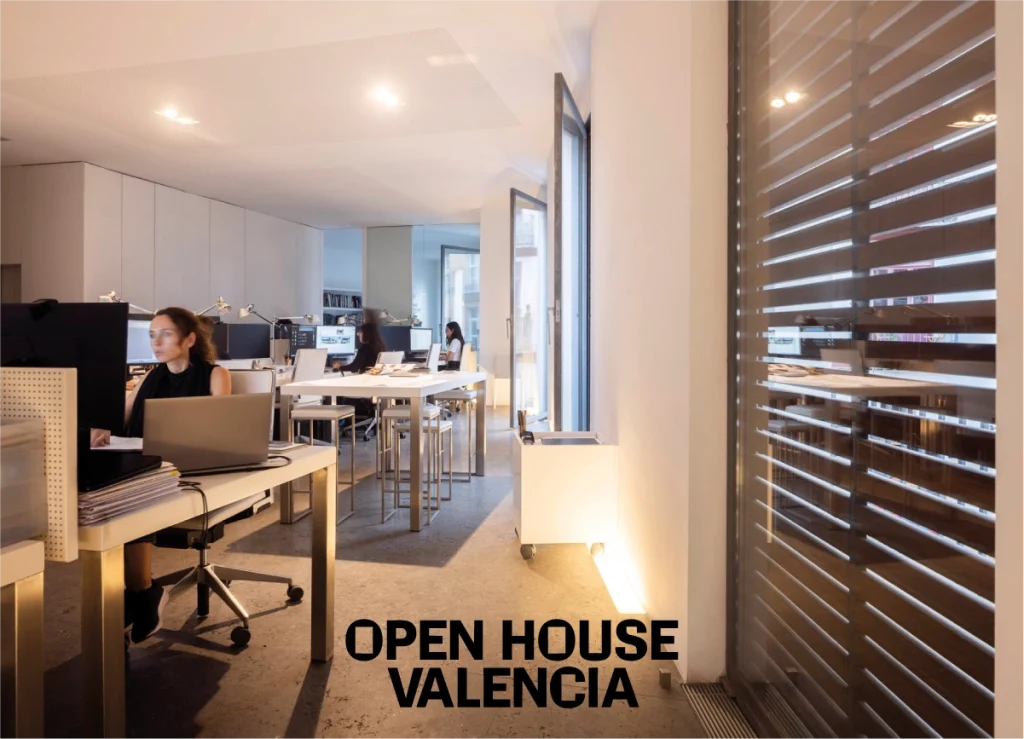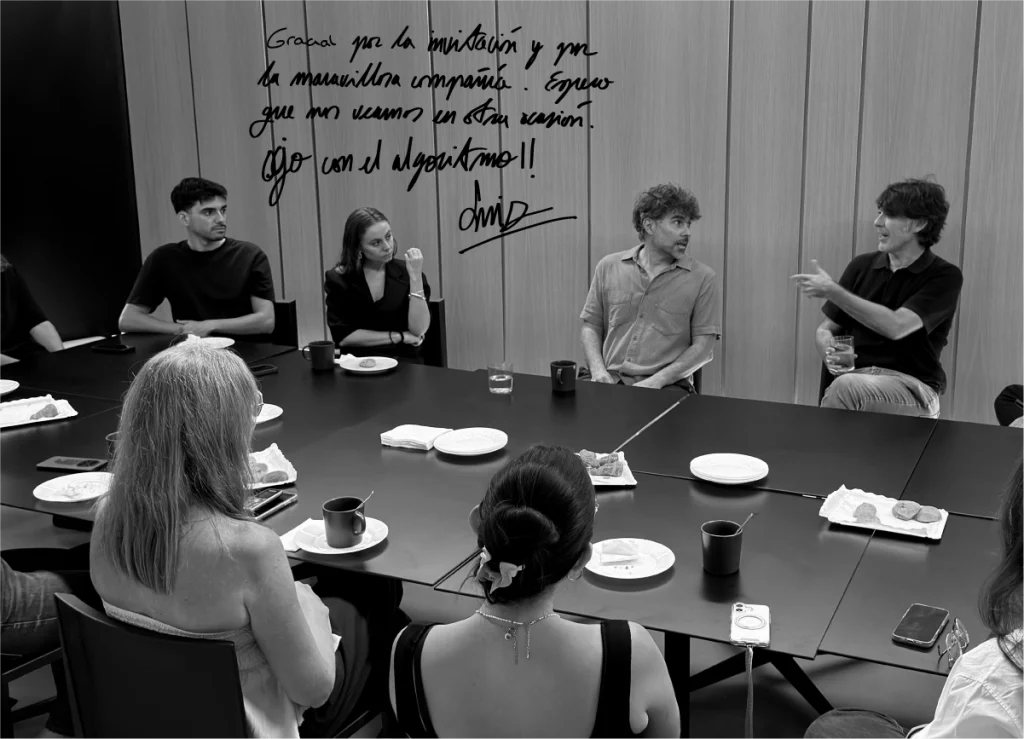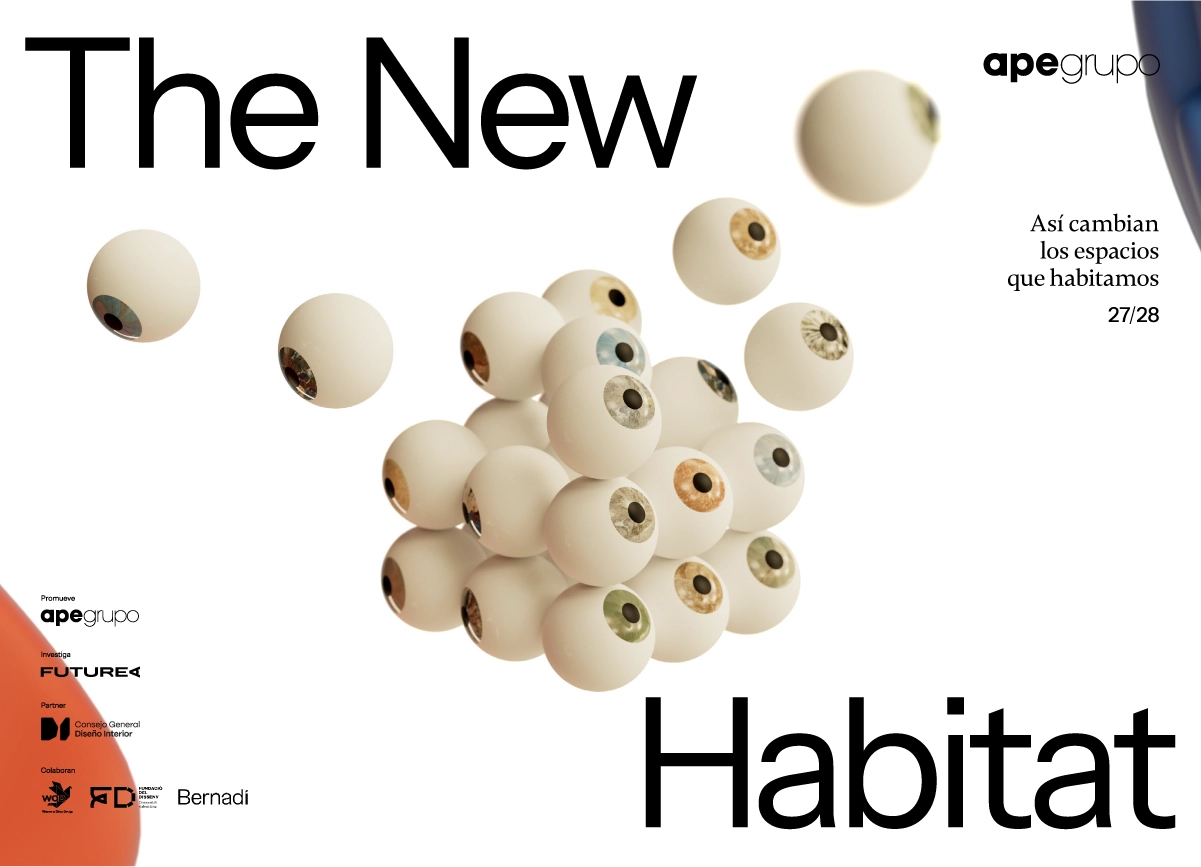
On 5 October, Ramón Esteve took part in the presentation of The New Habitat 27/28, the annual report on trends in design and architecture promoted by APE Grupo and developed in collaboration with the consultancy Futurea. Held at Universidad Europea de Valencia as part of València Design Fest, the event examined how the spaces we inhabit are evolving alongside new ways of living, working and interacting.
Following the presentation of the report's main findings by Pepa Casado, from Futurea, Ramón Esteve translated these reflections into practice through a selection of recent projects by Ramón Esteve Estudio.
From Trends to Architecture
During his talk, Ramón explored some of the transformations currently shaping architecture and design through projects of different scales and typologies. Rather than treating trends as isolated phenomena, his presentation revealed how many of them are connected to broader shifts in the way we relate to space, context and the objects that accompany our everyday lives.
Projects such as the Rodes Urban Technology Park, La Roca House and Cottage in the Vineyard provided a framework for reflecting on the relationship between architecture and its surroundings, the transformation of existing spaces, connections with the landscape and the creation of environments able to accommodate new ways of living.
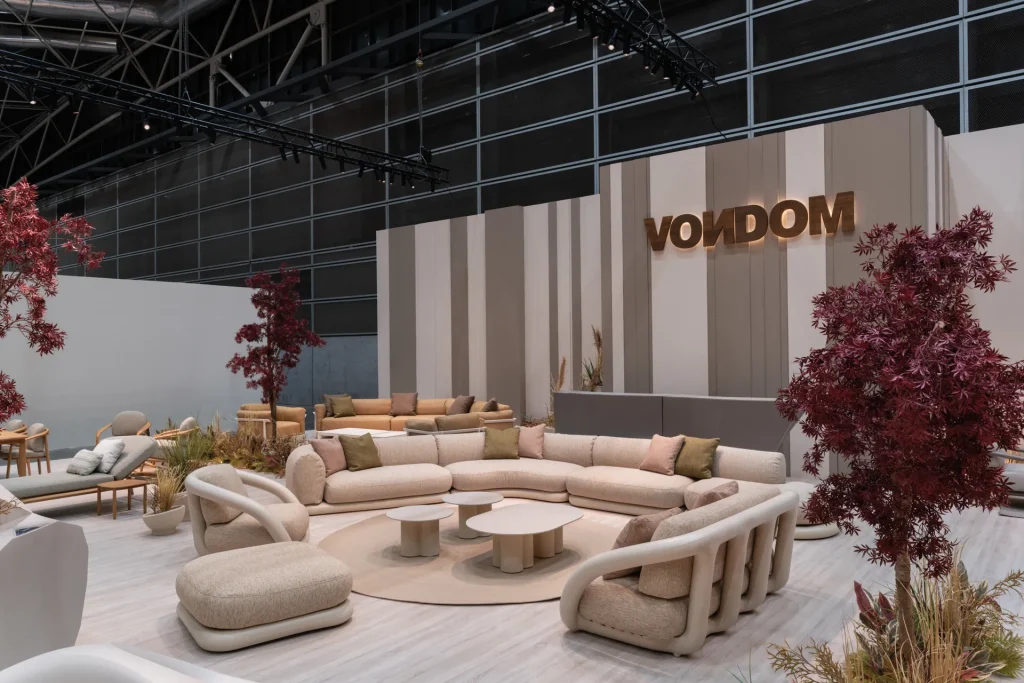
The discussion also extended to product design through pieces and collections such as Mel, Fusta and Caicos, showing how principles such as flexibility, materiality, comfort and adaptability move beyond architectural scale and form part of a broader, shared approach to design.
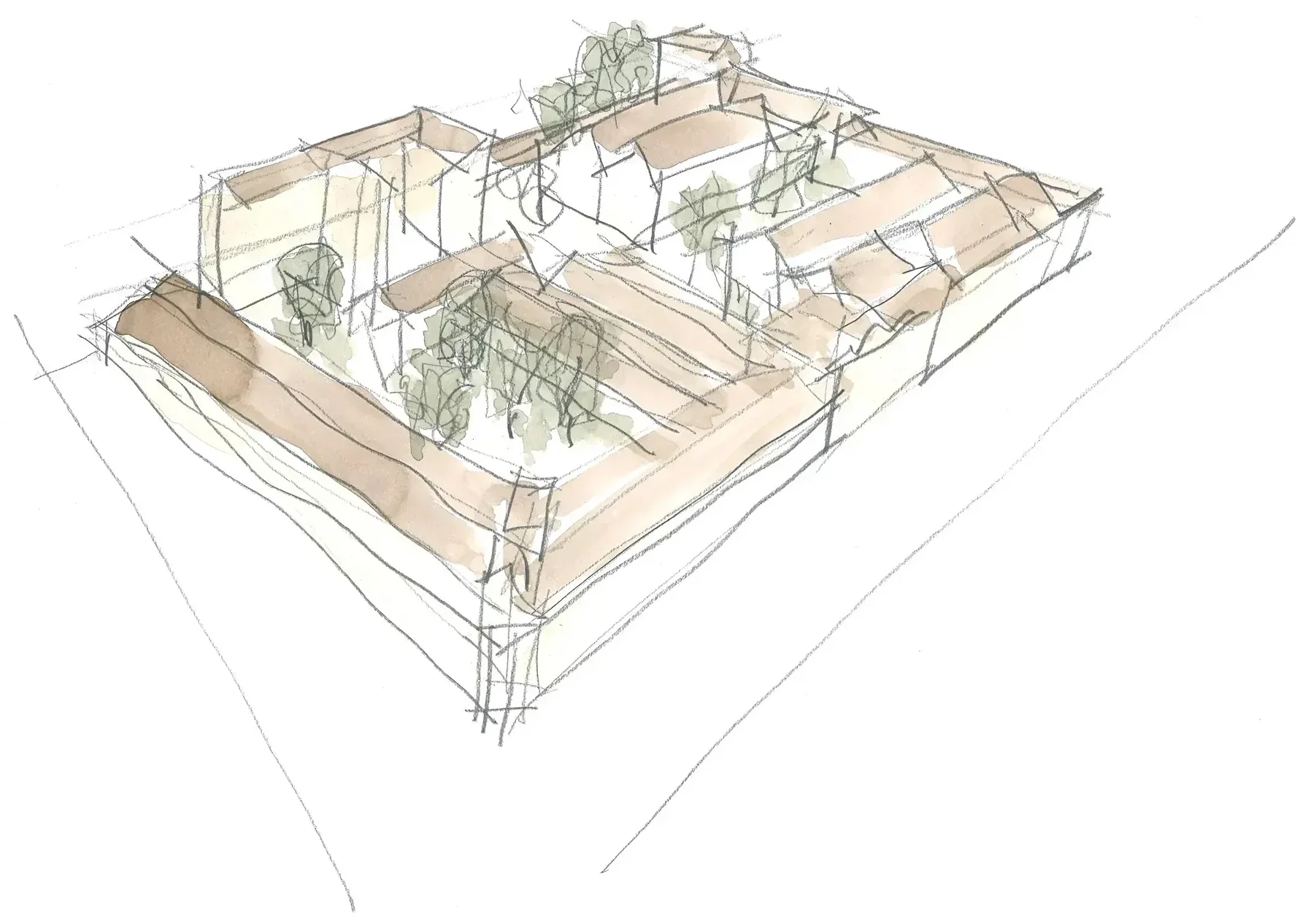
Ramón also presented several projects currently under development, not yet published, opening the conversation to some of the new scenarios and lines of exploration currently being pursued by the studio.
A Perspective Grounded in Practice
Ramón Esteve's participation created a dialogue between the trends identified in The New Habitat 27/28 and their expression in architecture and design, using projects as a way to interpret the transformations shaping contemporary environments.
The event held particular significance as it took place at Universidad Europea Campus Turia, whose renovation was developed by Ramón Esteve Estudio. The setting itself therefore became part of the conversation: a tangible example of architecture's capacity to adapt, evolve and respond to changing needs.