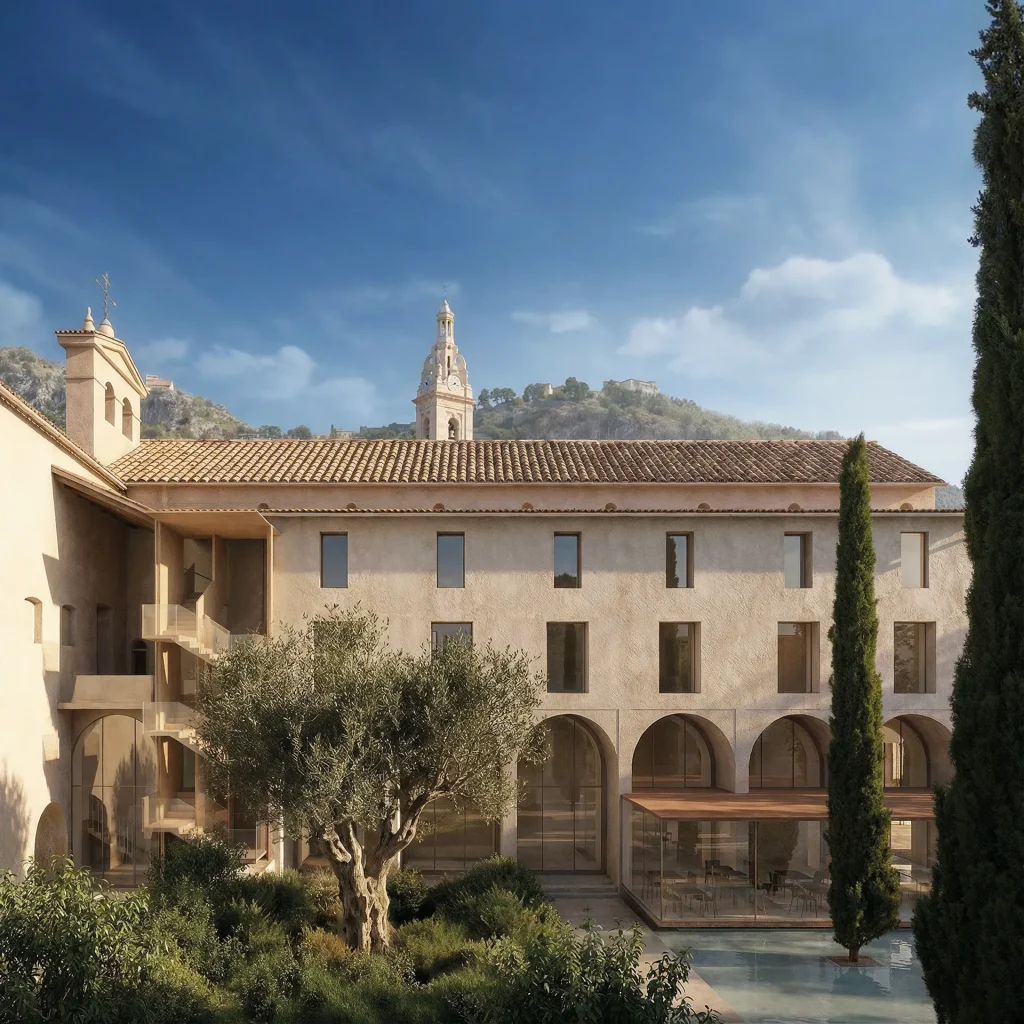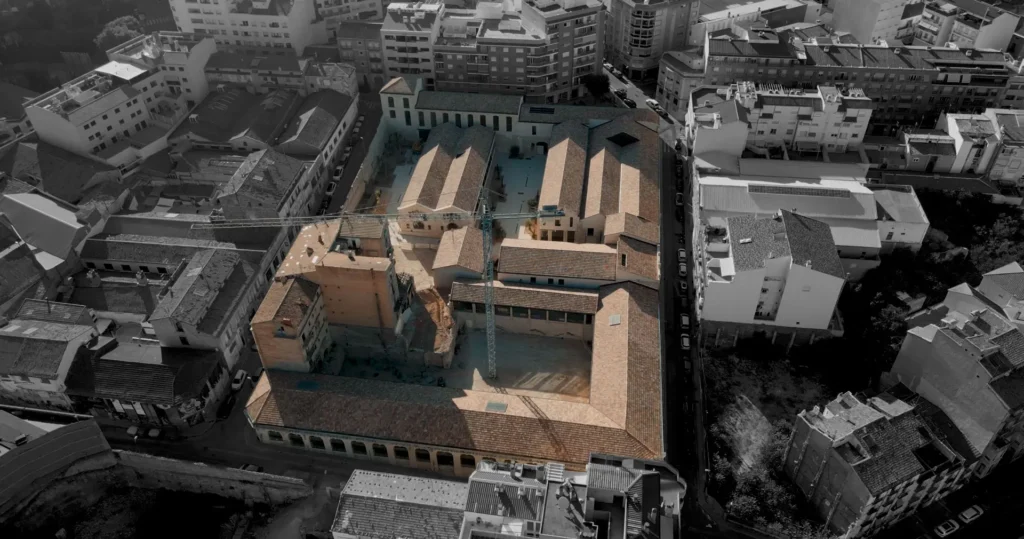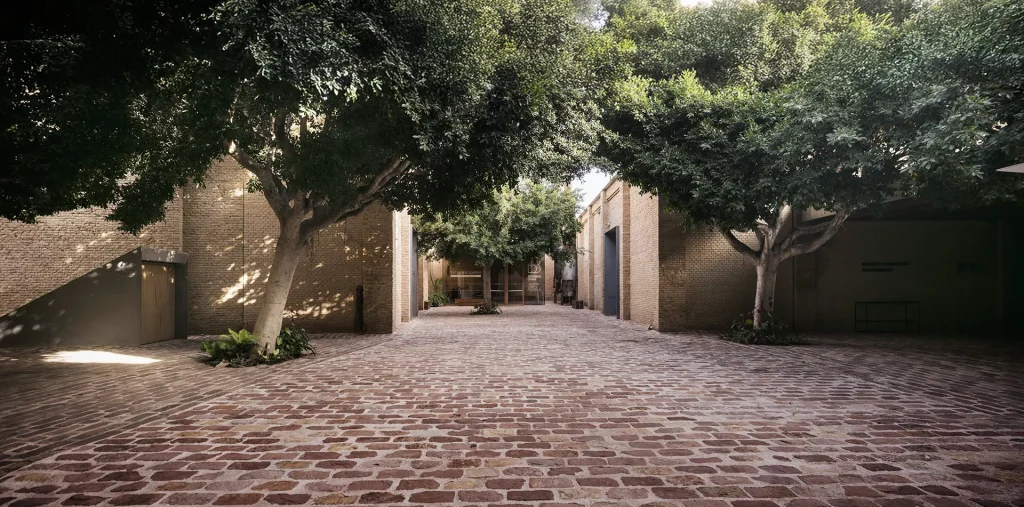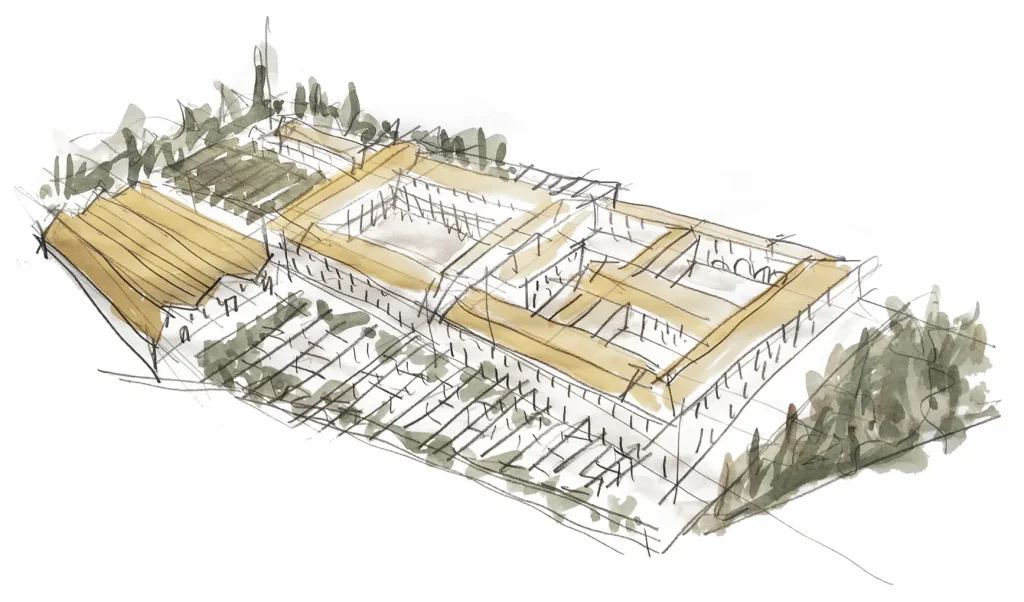
The project is based on the creation of a complex conceived as a technological and cultural space: one that supports the recovery of the architectural heritage, drives Alicante's urban regeneration, restores the essence of this early twentieth-century industrial complex, and opens it to the future through an approach that promotes economic, educational, cultural, and social activity.
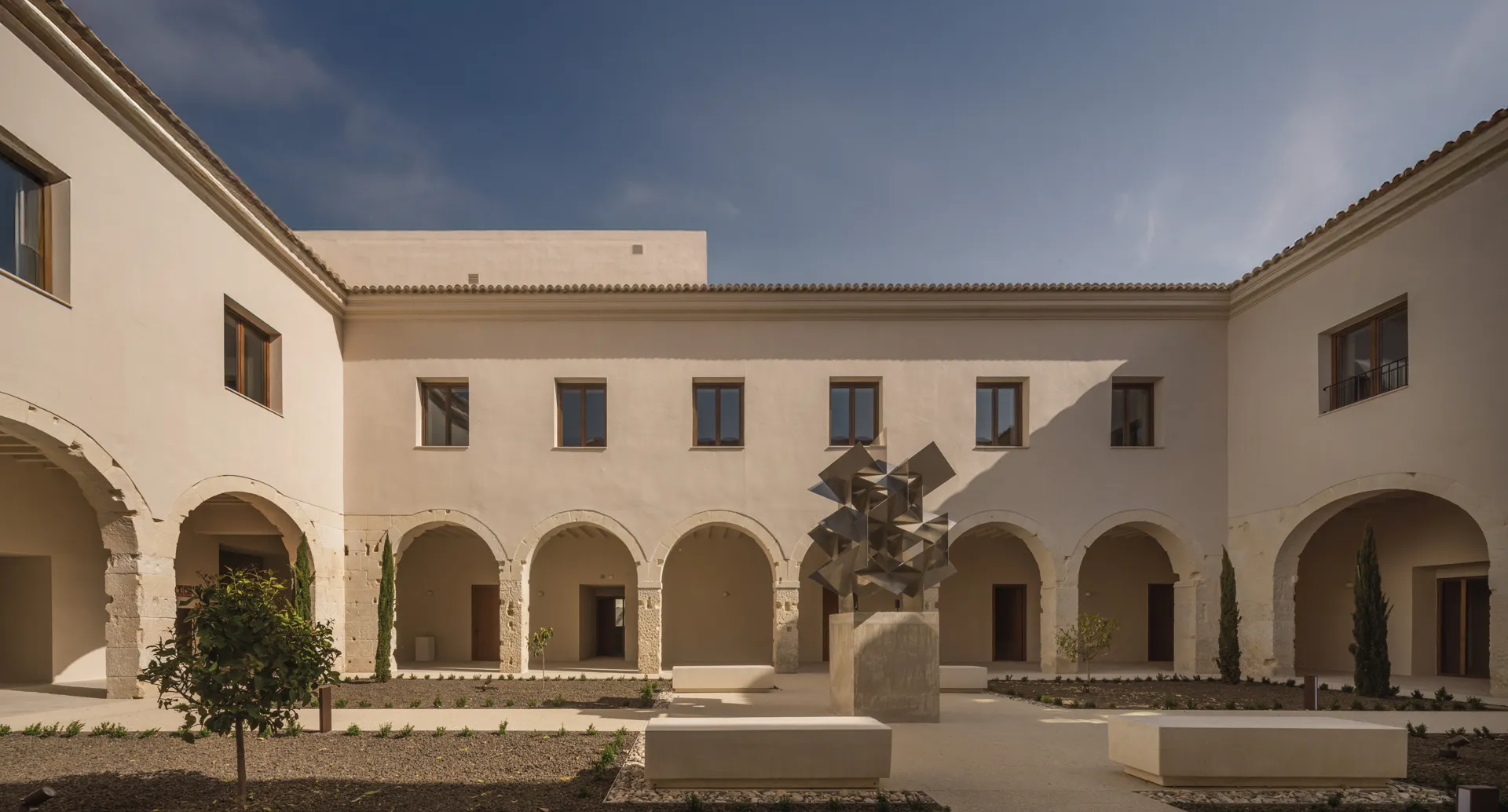
One of the main features of the proposal is the opening of the city block to the public. In this way, Las Cigarreras is transformed from a closed and almost hermetic block, which once fragmented the urban fabric, into a new connection between the districts of San Antón and Carolinas Bajas.
To reinforce this openness, the wall that enclosed the complex has been partially demolished at the two squares. However, its historical memory is preserved in an abstract way: some fragments have been retained and transformed into benches, while new openings have been strategically introduced at key points of connection.
Urban Proposal and Use Plan
Across its four phases of development, the intervention aims to generate a technological and cultural complex that contributes to the urban regeneration of the area, while encouraging the establishment of new technology companies in Alicante. At the same time, it incorporates socio-cultural uses designed to improve the quality of life of local residents.
To achieve this, the proposal includes spaces such as Casa Misericordia, whose purpose is to promote entrepreneurial initiatives and the development of R&D. This will help increase employment opportunities and counterbalance the concentration of business activity in the city centre.
In terms of tourism and culture, the project seeks to position Las Cigarreras as a significant destination within Alicante by creating a route that connects the main heritage sites through green areas and pedestrian walkways.
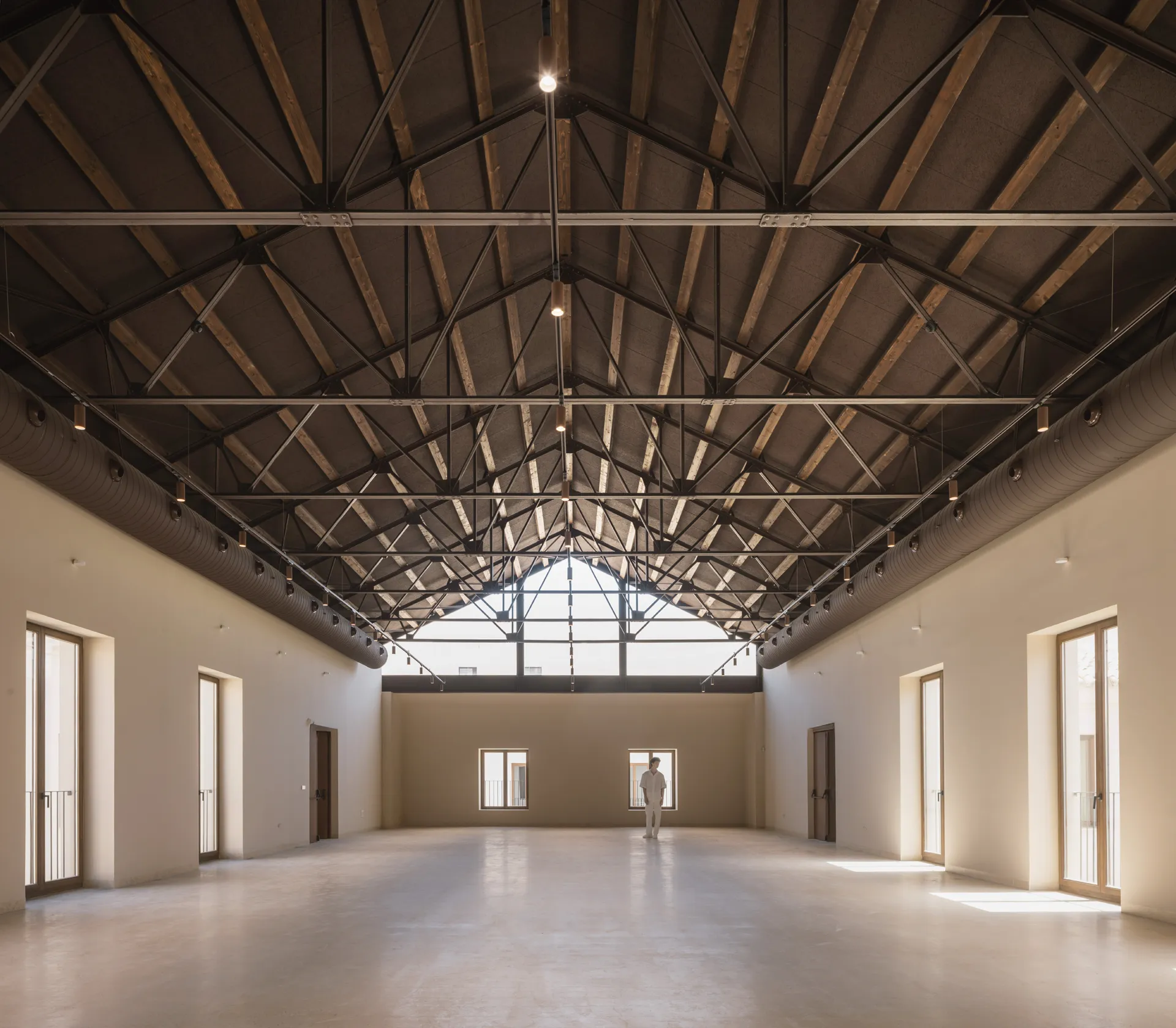
From a social perspective, the proposal introduces open gathering spaces directly connected through landscaped areas. The industrial buildings of Las Cigarreras are intended to host a wide range of cultural activities — including dissemination, exhibitions, and events — in order to establish the complex as a space for both the city and its citizens.
Casa Misericordia
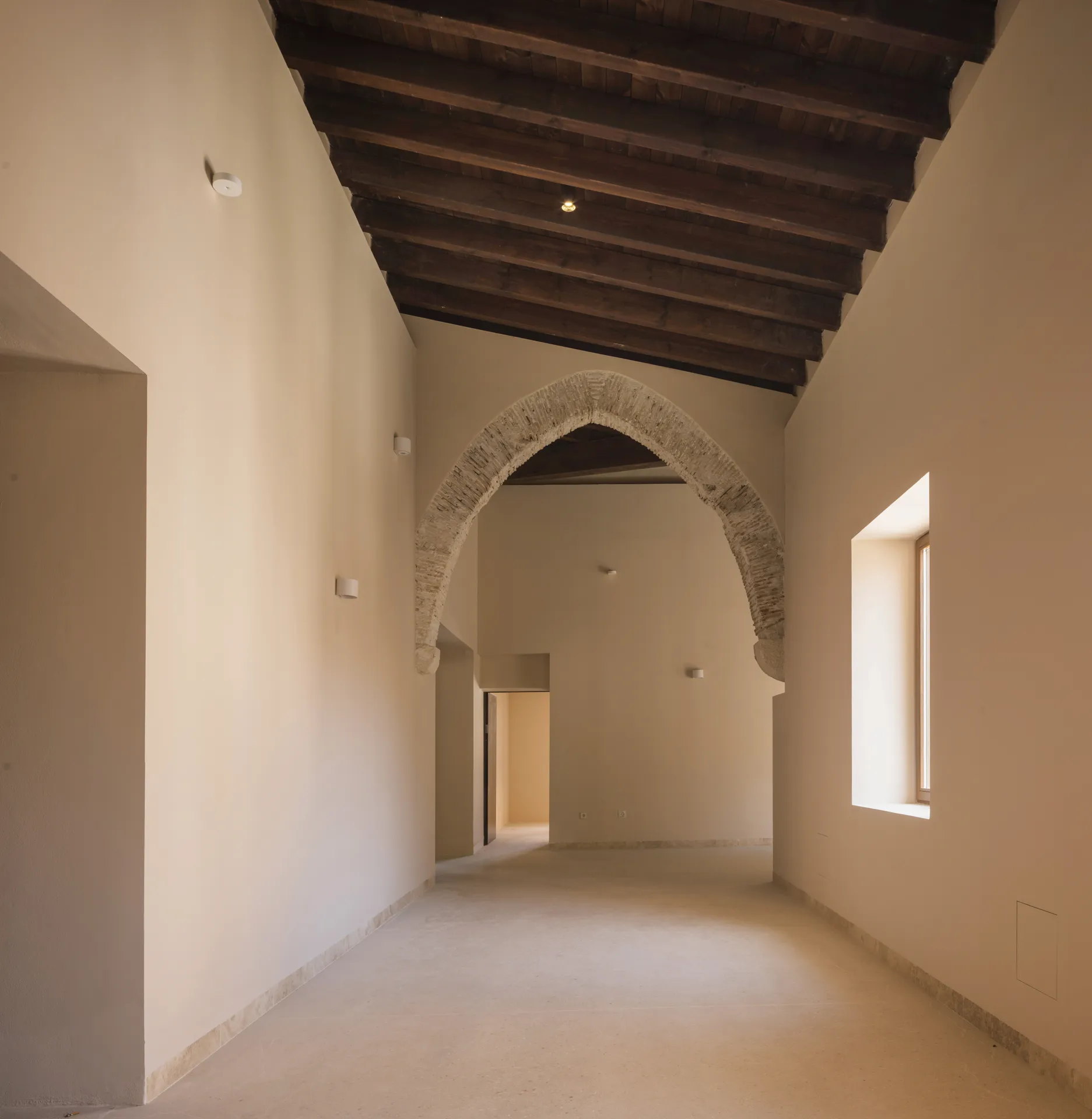
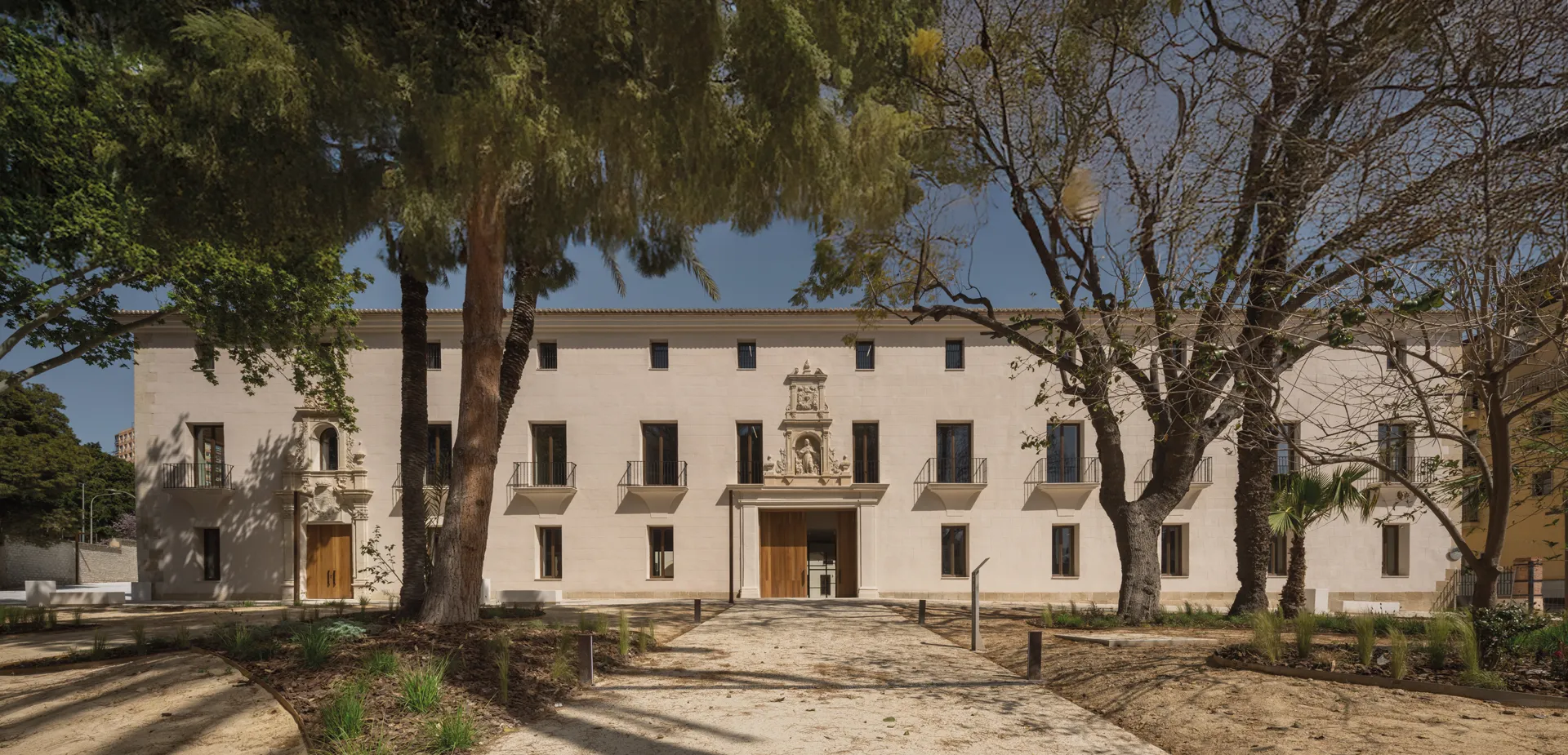
The first phase, focused on Casa Misericordia, has already been completed. This intervention includes the oldest part of the complex, the former Casa de la Misericordia, as well as its immediate outdoor areas.
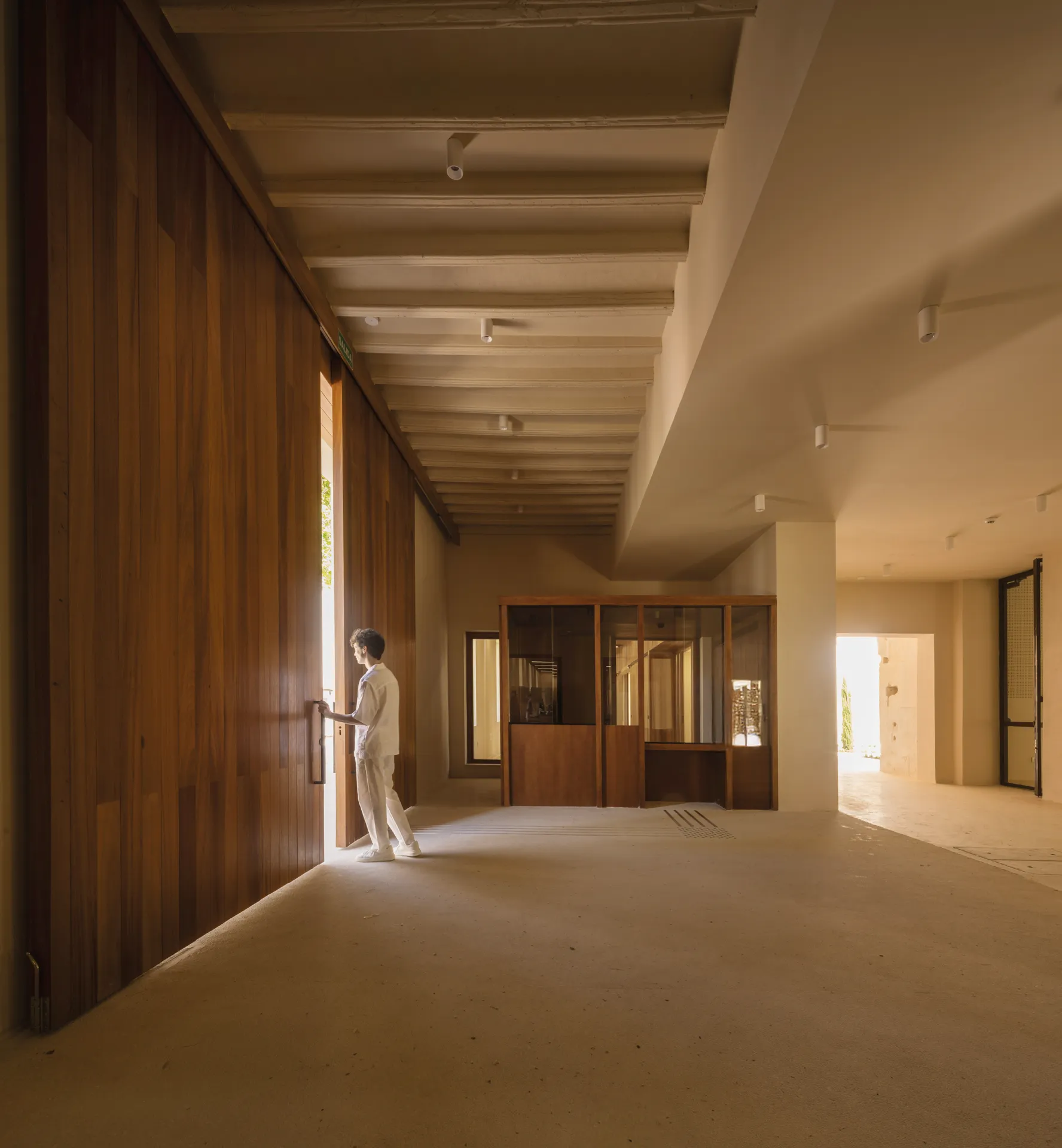
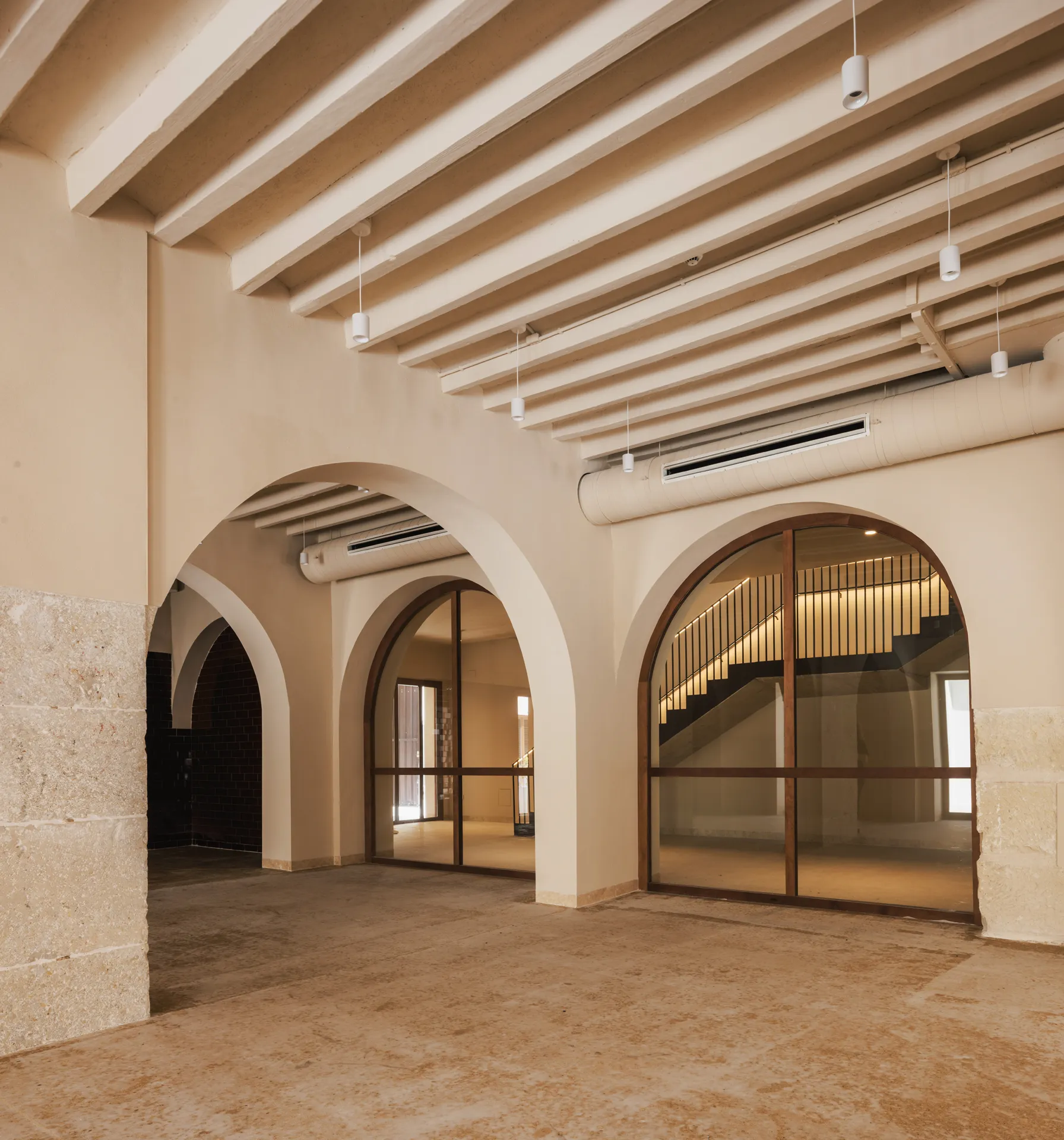
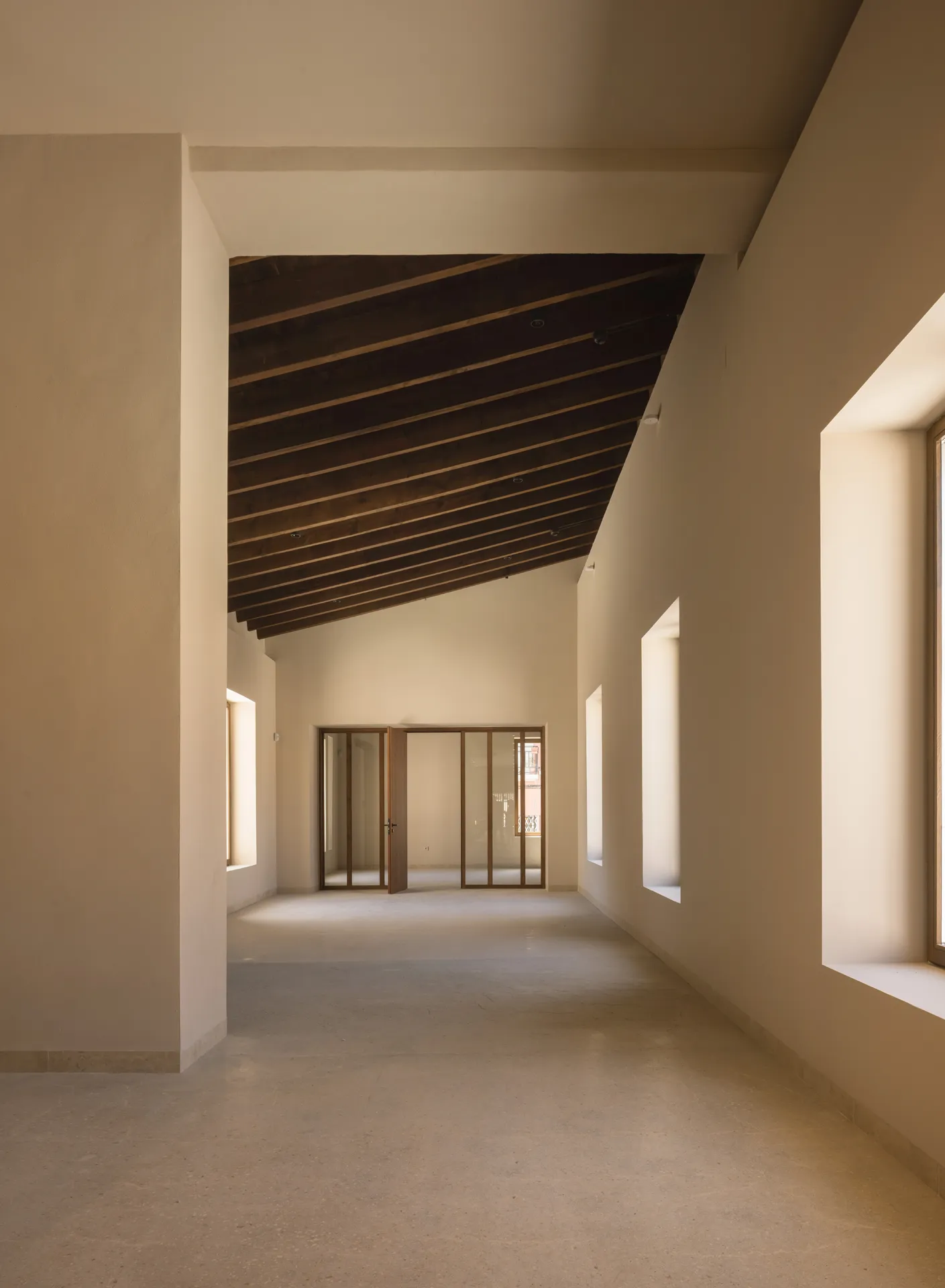
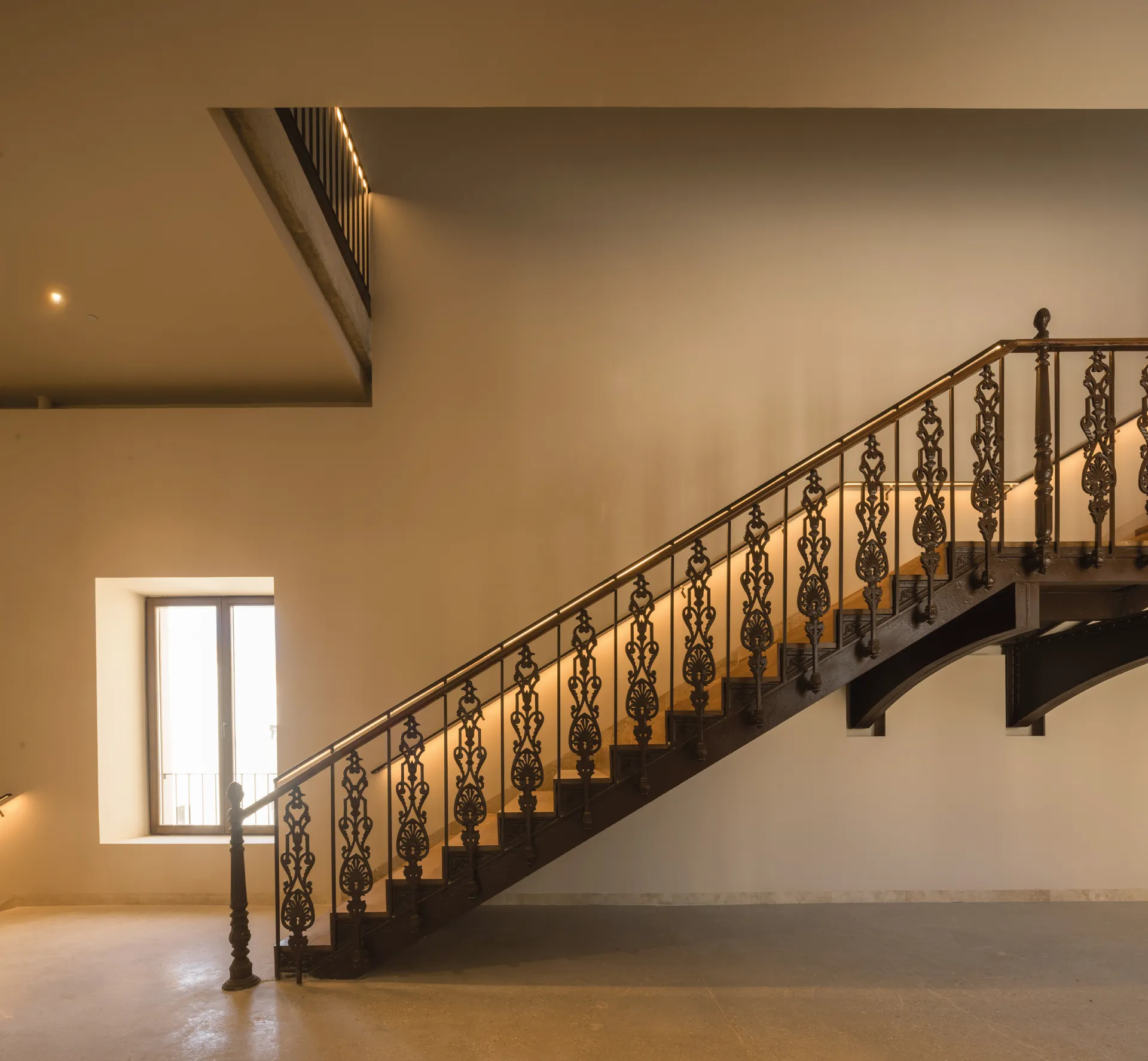
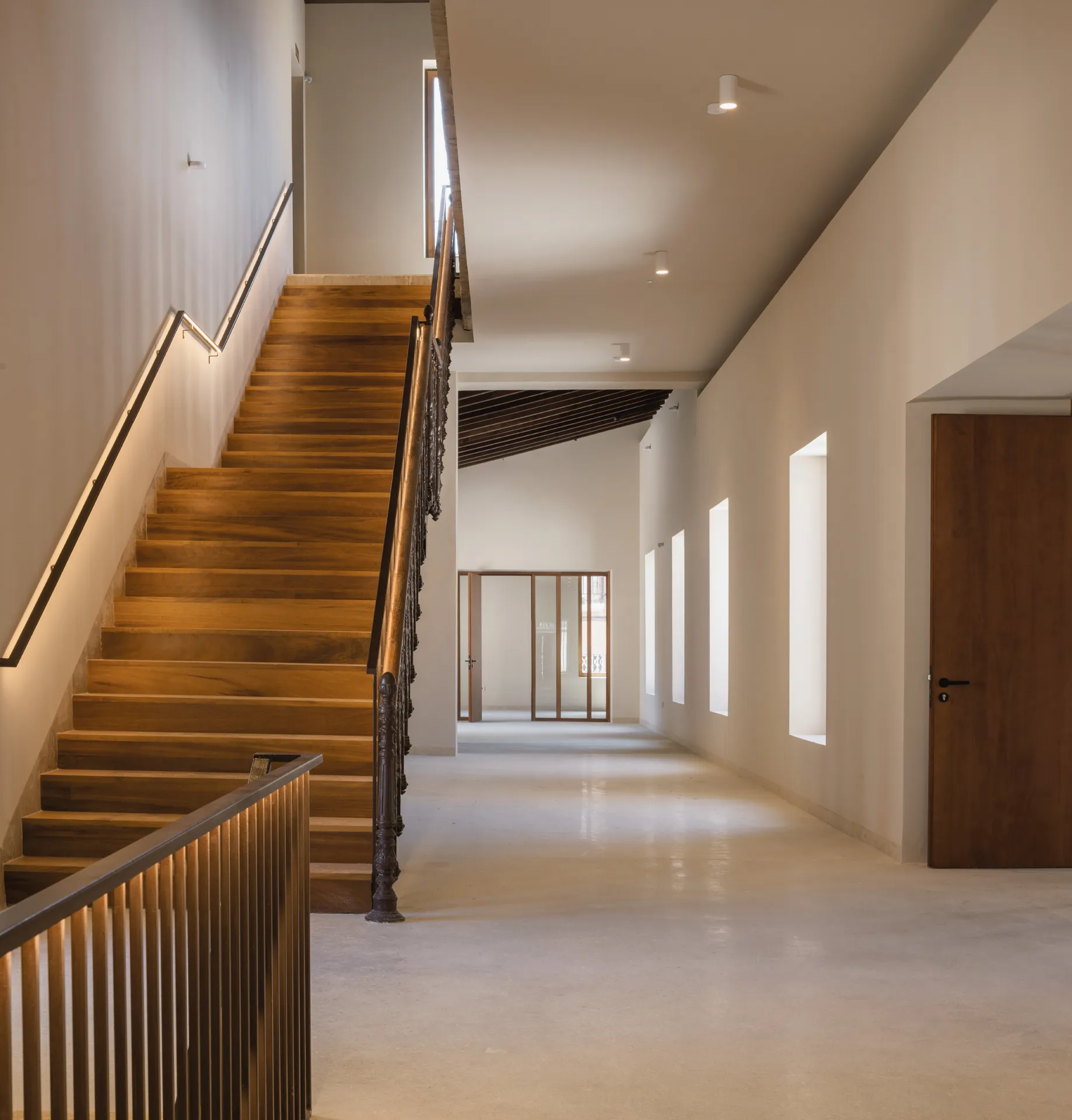
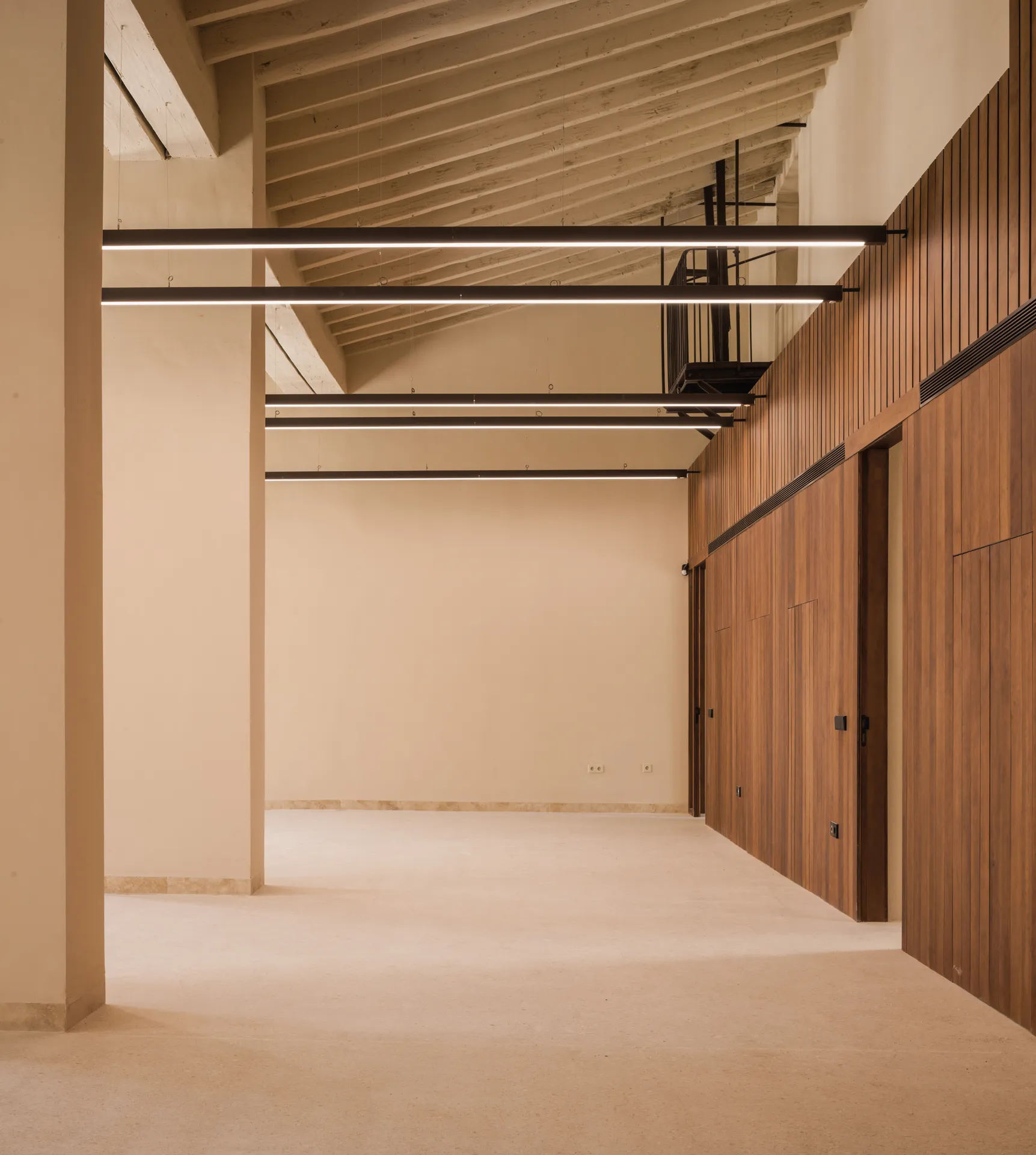
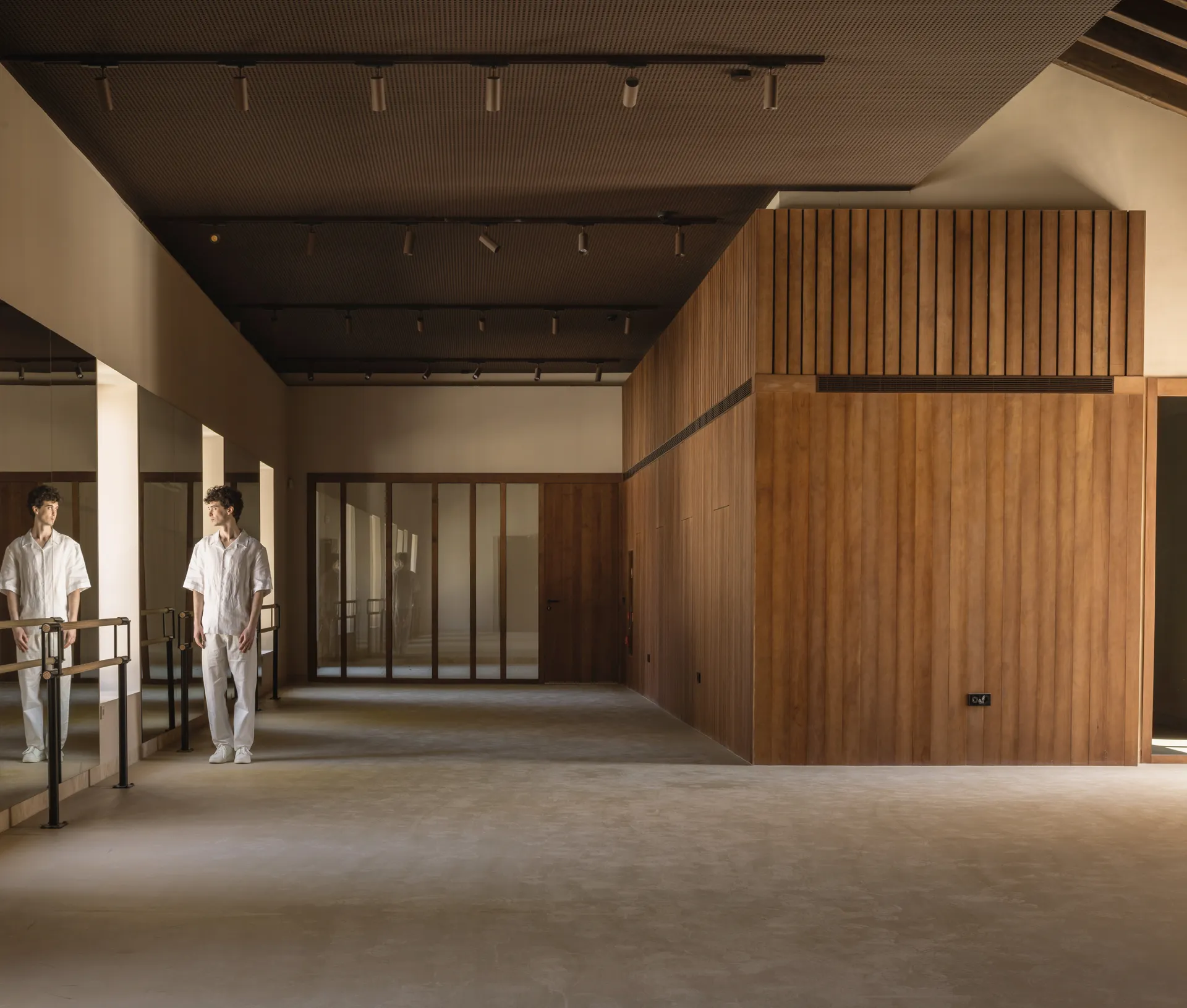
The building, which covers more than 6,000 m² across three floors, is organised into different structural sections connected by two cloisters and a rear courtyard. Its new programme includes creative and technological spaces, co-working areas, social facilities, a library, exhibition halls, a multi-purpose space, and offices dedicated to the promotion of tourism.
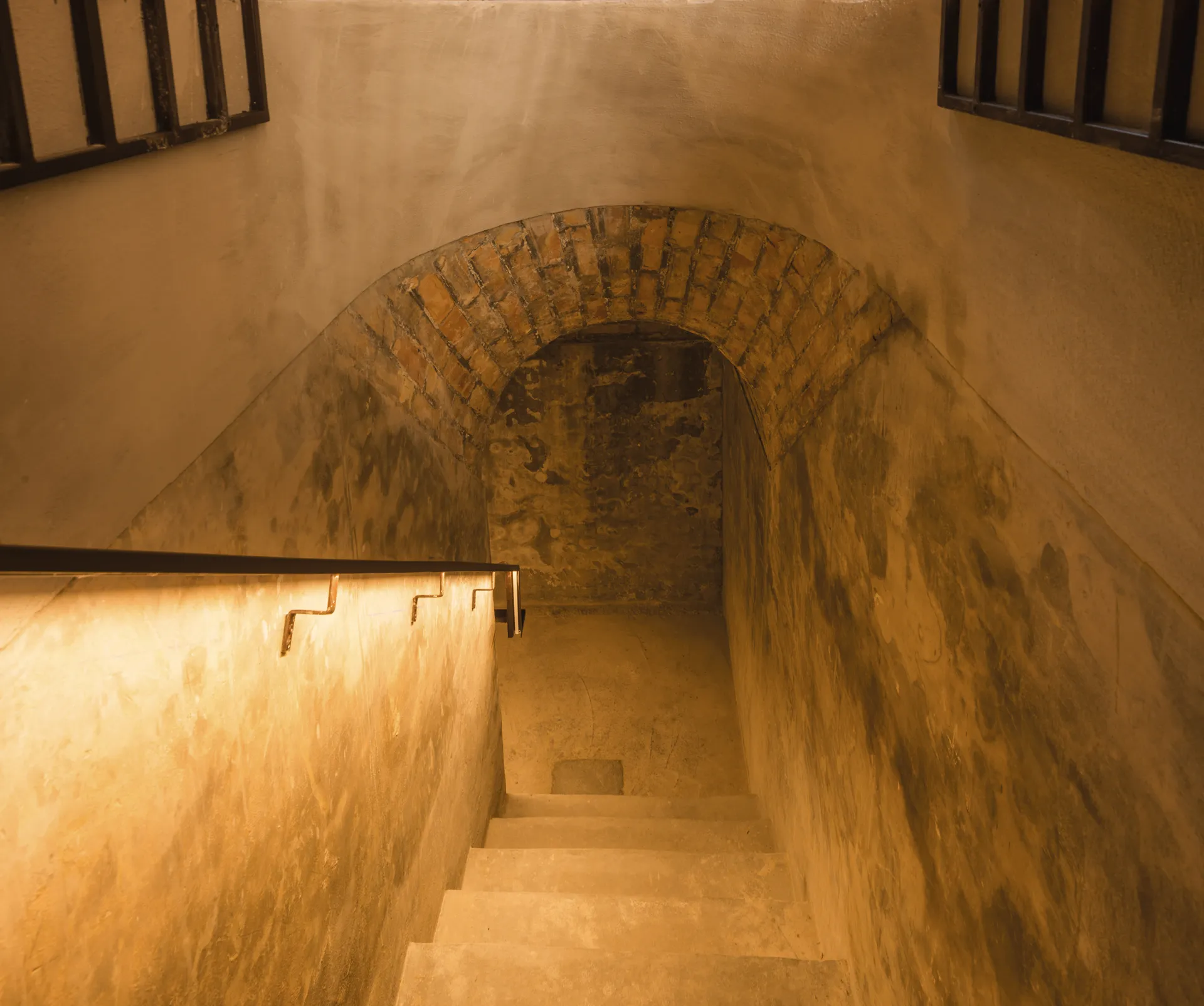
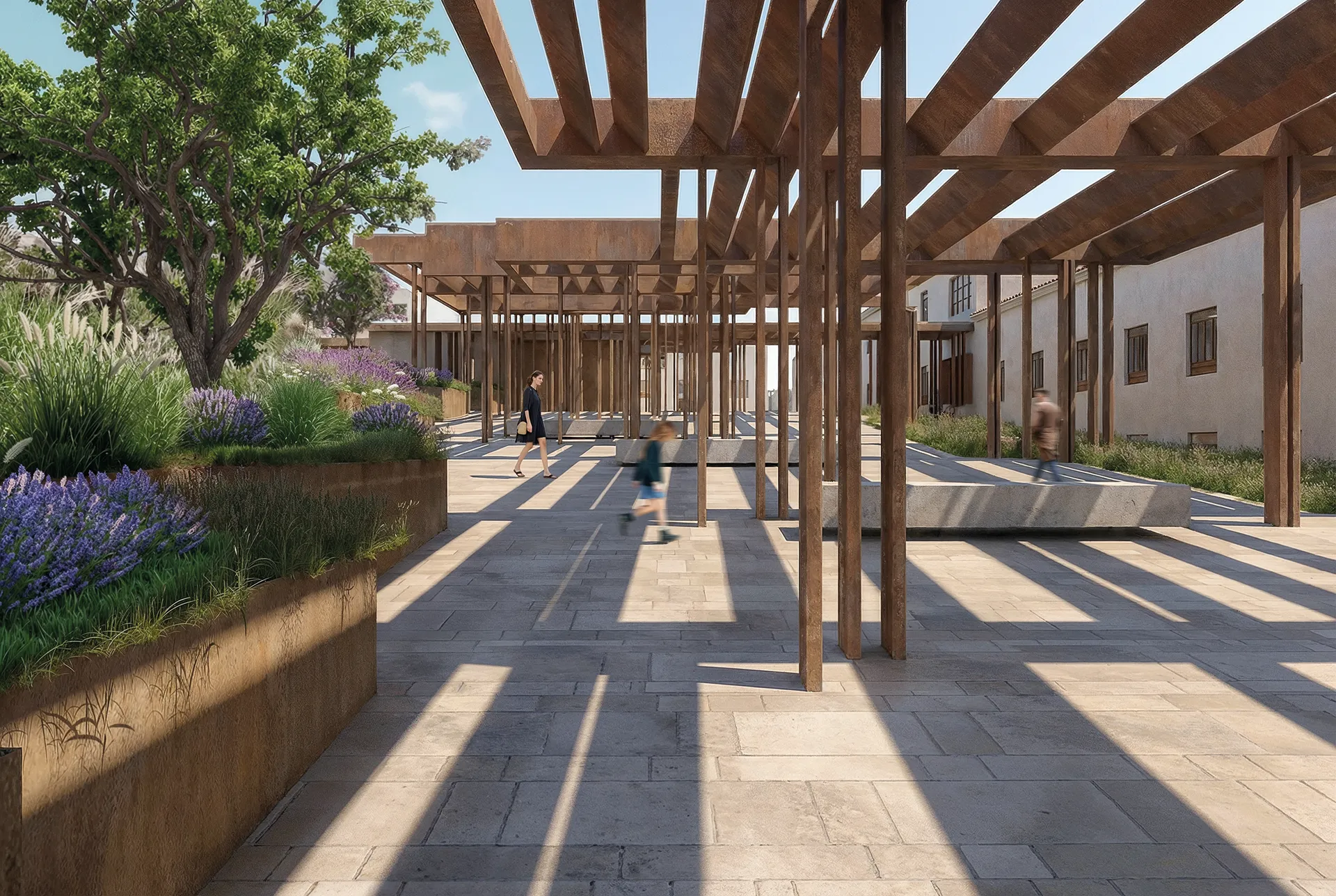
The intervention preserves the spatial qualities and materials of the original building in order to evoke its former atmosphere. Vegetation is used to represent tobacco in an abstract way, while the steel framework of the large pergolas that structure the outdoor area acts as a sculptural interpretation of the same theme.
In addition to connecting the complex with its surroundings, these elements allow different uses to coexist within a large open area while remaining clearly defined. The pergolas transform the former disused esplanade into a shaded garden that attracts both residents and visitors, while organising the different areas and extending the landscaped character throughout the site.
Finally, the complex is articulated through a connecting gallery that crosses its main axis. This gallery follows a corridor that historically served to link the different buildings internally.
The following phases will involve the development and rehabilitation of the remaining Las Cigarreras warehouses for socio-cultural and educational purposes. The rehabilitation strategy also includes the addition of a green roof to the factory's former drying room.
Integrated Sustainable Urban Development Strategy (EDUSI)
The project forms part of "Area Cigarreras", an Integrated Sustainable Urban Development Strategy, known as EDUSI, developed by Alicante City Council. Its mission is to recover and revitalise an important urban area that includes four historic districts and two of the city's most emblematic mountains, crowned by two castles and covered by extensive green areas.
Architects
Ramón Esteve
Vicente Vidal
Ivo Vidal
Ciro Vidal
Isaac Montava
Project Team
Anna Boscà
Beatriz Gascón
Guillermo Sahuquillo
Visuals
Tudi Soriano
Pau Raigal
David Baños
Building Engineers
Emilio Pérez
Carolina Tarazona
Landscaping
GM Paisajistas
Engineering
Leing
Construtor
ORTHEM
Archeologist
Gabriel Gullen García
Promoter
Ajuntament d'Alacant
Photography and Filmmaking
Alfonso Calza
Music
Postdata SoundStudio